Hong Kong’s commercial model is now quietly reaching a turning point.
Until now, Hong Kong has been supported by its overwhelming geographical advantage: “convenient transportation” and “people coming from all over the world.”
The Reality of “Weekends in Shenzhen”
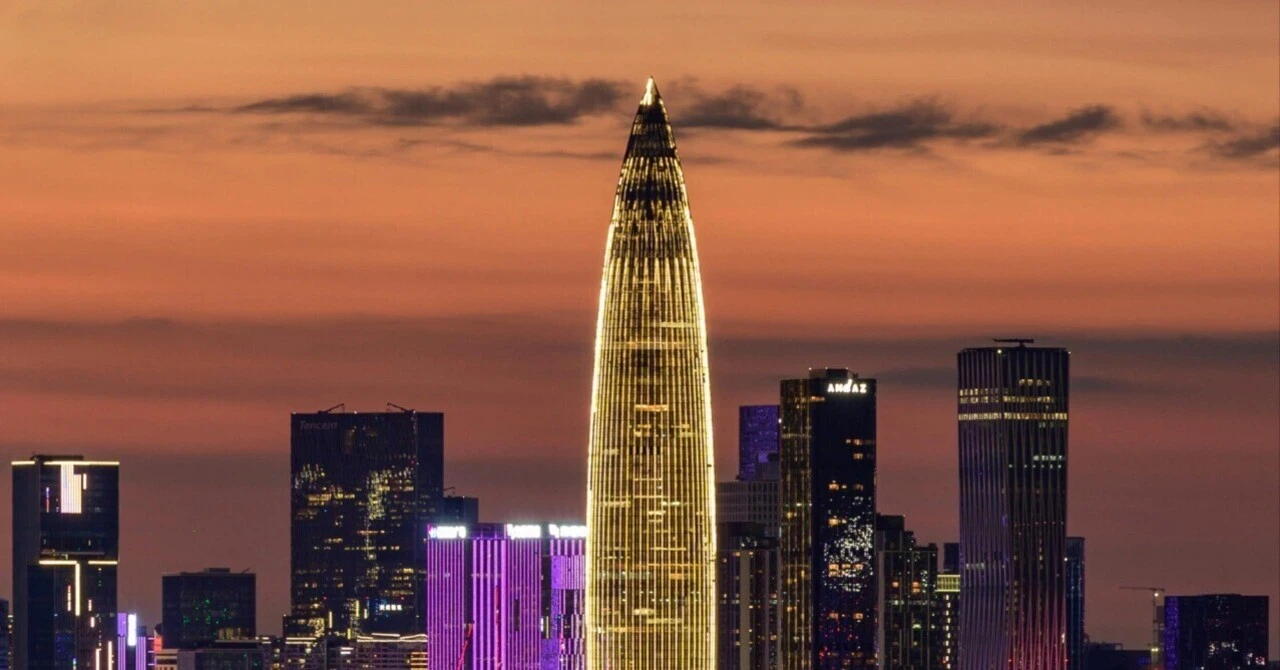
Recently, a phrase often heard in conversations among Hong Kong locals is, “I went to Shenzhen over the weekend.” I feel this is not a temporary boom, but proof that a new lifestyle habit called “Northbound Consumption” is taking root.
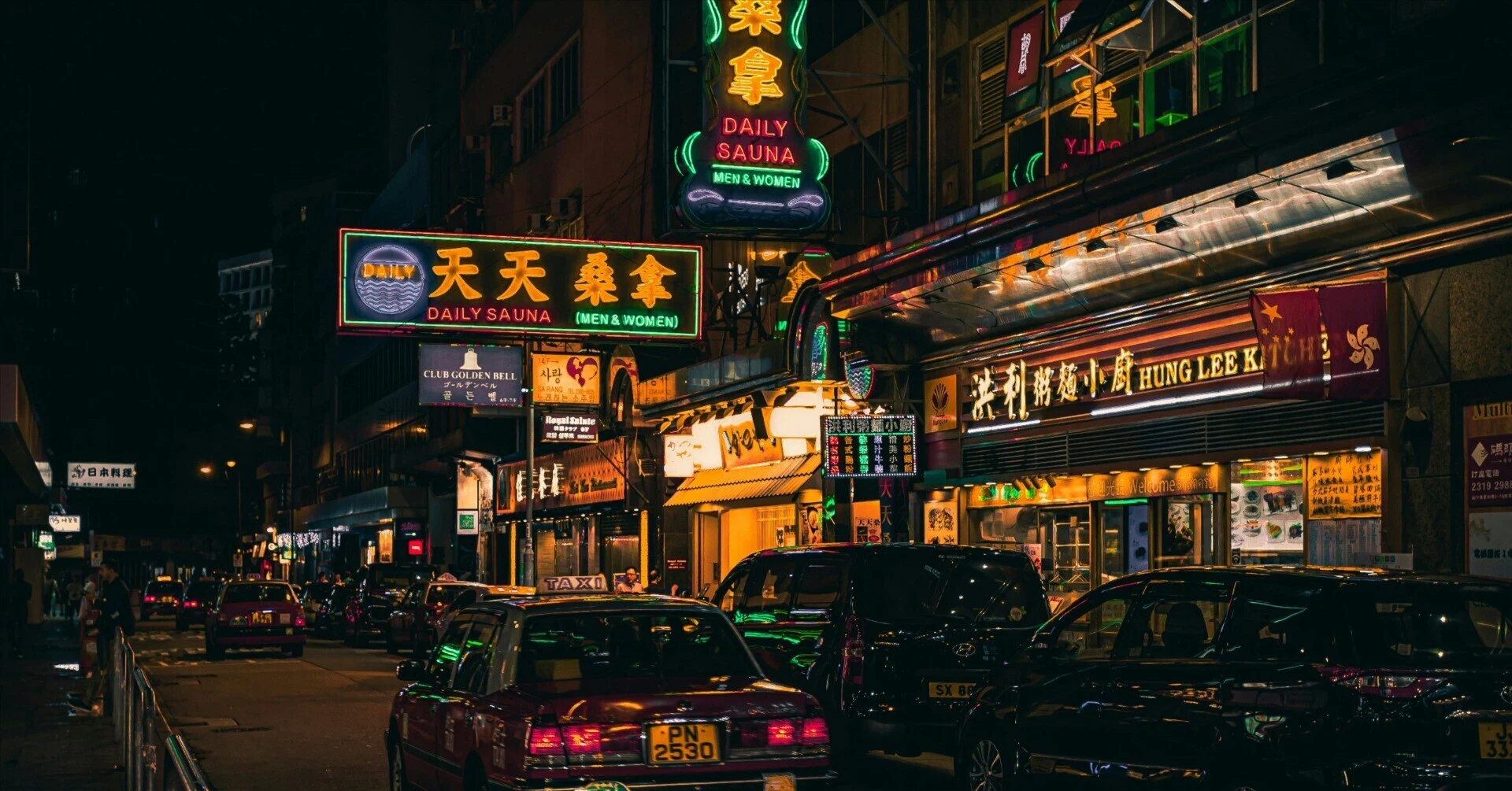
Tourists Closing Their Wallets” The style of tourists coming to Hong Kong is clearly changing. The “explosive shopping” (bakugai) scenes seen in Mong Kok or Tsim Sha Tsui just a few years ago have completely faded. Instead, what stands out are light-footed travelers walking the streets with smartphones in hand. Their objective has shifted from “buying things” to “where and how to spend their time.”
Over the past few years, the profile of foreigners visiting Japan has been gradually shifting. Previously, the mainstream consisted of “short-term tourists” walking the streets with cameras in hand. Recently, however, there is a noticeable movement of people who want to “live long-term” or “have a base” here. The traditional inbound tourism (spending by foreign visitors for sightseeing) has run its course, and we are now entering the next stage: the expansion of “Japan as a lifestyle.” 💬
The Roots of Hong Kong’s Barber Culture: The Shanghai Influence
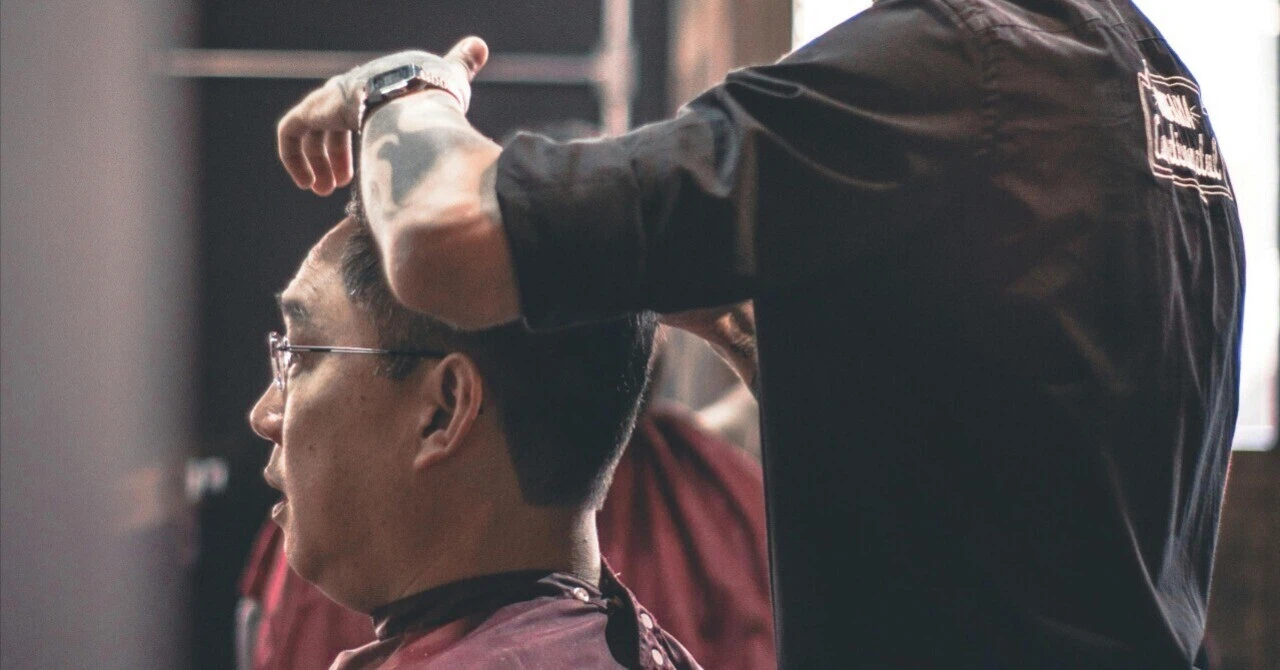
✂️ The term “Shanghai Barber Shop” still rings with a sense of nostalgia in Hong Kong. Its roots trace back to the influx of immigrants from Shanghai after the founding of the People’s Republic of China in 1949.