
[Marketing Seed 152: From Inbound to Relocator? ④]

An immigration consultant ad promoting family relocation, featuring a woman holding a Japanese passport against a cherry blossom background

✈️ “From Tourism to Settlement” ── A Shift in the Times has Become Visible. Over the past few years, against the backdrop of an explosive increase in tourists, Japan has positioned inbound tourism as the main axis of its growth strategy. In 2023, the number of foreign visitors exceeded 25 million, approaching pre-COVID levels. However, what is recently drawing attention is a new trend: not “staying,” but “relocating.” Driven by the internationalization of work styles and the spread of remote work, the number of foreigners desiring long-term stays or permanent settlement is steadily increasing. 🌍

💳 However, Immigrants Do Not Automatically Equal Economic Benefits. Unlike short-term tourism consumption, the spending of relocators is more cautious and dispersed. The reality is that while they pay for daily groceries and utility bills in Japan, many manage their living funds through overseas accounts. For instance, if the payment systems used for credit card transactions and online shopping belong to foreign companies, a portion of those profits flows out of the country. Even if they buy luxury goods, royalty fees to the brand’s headquarters are remitted overseas—such structures lurk within many transactions. As a result, there are many cases where the actual return to domestic companies is limited, despite the “flashiness of apparent consumption.”

🚨 And Another Impact: “Price Polarization.” The increase in relocators is quietly affecting the economic structure of urban areas as well. Particularly in Tokyo, Kyoto, and Fukuoka, housing demand from wealthy foreigners is rising. The average price of luxury condominiums in Tokyo has multiplied by about 1.6 over the past five years. Furthermore, “foreign-oriented pricing” is increasing in the food, service, and education sectors. As a result, a new challenge is emerging: the rising cost of living for Japanese people 😓.

📈 The Perspective Required for “Post-Inbound.” What the Japanese economy needs moving forward is to reevaluate the meaning of not just “having them visit,” but “having them live together with us.” How to welcome relocators not as “consumers,” but as “co-creators of the local community” ── that strategy will be the key determining the next phase. (To be continued)

* Reference Article: JNTO “Trends in Visitor Arrivals to Japan”
* From the Marketing Seed series. Please also read this article →Because It’s the Age of AI—Let’s Talk Human Touch (3) ~ Seeds of Marketing #60


【マーケの種152:インバウンドから移住者へ?④】

桜を背景に日本のパスポートを持つ女性が描かれた、家族移住を勧める移民コンサルタントの広告

✈️ 「観光から定住へ」──時代の変化が見えてきました。

日本はこの数年、観光客の爆発的増加を背景に、インバウンドを成長戦略の主軸と位置づけてきました。2023年には訪日外国人が年間2,500万人を突破し、コロナ前の水準に迫っています。しかし、最近注目されているのは「滞在」ではなく「移住」という新たな流れ。働き方の国際化やリモートワークの普及により、長期滞在者や定住を希望する外国人が確実に増加しています。🌍

(more…)

[Marketing Seed 151: From Inbound to Relocator? ③ ]

Screenshot of a Chinese online ad promoting "Low-cost Japan relocation: Last chance!?"

📊 Shifting Corporate Perspectives: From “Tourists” to “Residents”

Companies are beginning to emerge that interpret the increase in foreign residents not merely as a phenomenon, but as a sign of a new market. At financial institutions and real estate companies in urban centers like Tokyo and Osaka, a transition is underway—moving beyond traditional tourism-oriented sales to services tailored for those who “live” here.
(more…)

【マーケの種151:インバウンドから移住者へ?③💼】

「低コストでの日本移住 最後チャンス!?」と謳う中国語のネット広告スクリーンショット

📊 変わる企業の視線――「観光客」から「生活者」へ。

外国人移住者の増加を単なる現象ではなく、新しい市場の兆しとして読み取り始めた企業が現れています。東京・大阪など都心の金融機関や不動産会社では、これまでの観光向けセールスから一歩踏み込み、“暮らす”層へのサービス転換が進行中です。英語や中国語(繁体字・簡体字)でのカスタマーサポートを拡充し、香港・台湾・シンガポールの富裕層向けに「永住・長期滞在サポート窓口」を設ける動きも。たとえば、大手都市銀行の一部では**外国籍の住宅ローン申し込み件数が前年比35%増(2023年時点)**に。経済動向とともに、企業の構え方も確実に変わってきています。

(more…)

[Marketing Seed 150: From Inbound to Relocator? ② ]

A foreigner working remotely in a Japanese office or cafe, navigating the ideal daily life and the reality of working

🌏 “If it comes to it, I’ll immigrate to Japan” In recent years in Hong Kong, we have started hearing these words spoken like a joke, yet with a somewhat serious undertone. Japan, which was once a “dream destination” for tourism or cultural interests like anime and J-POP, is now being discussed as a “realistic option.” Economic backgrounds, social conditions, and shifting lifestyles are quietly propelling this trend. 📊 According to a 2023 survey (by the Hong Kong Trade Development Council), approximately 43% of Hong Kong residents in their 20s to 40s answered that they are “interested in a long-term stay or relocation to Japan.” This figure proves that it’s not just a joke.

(more…)

【香港図鑑148:自動車整備工場】

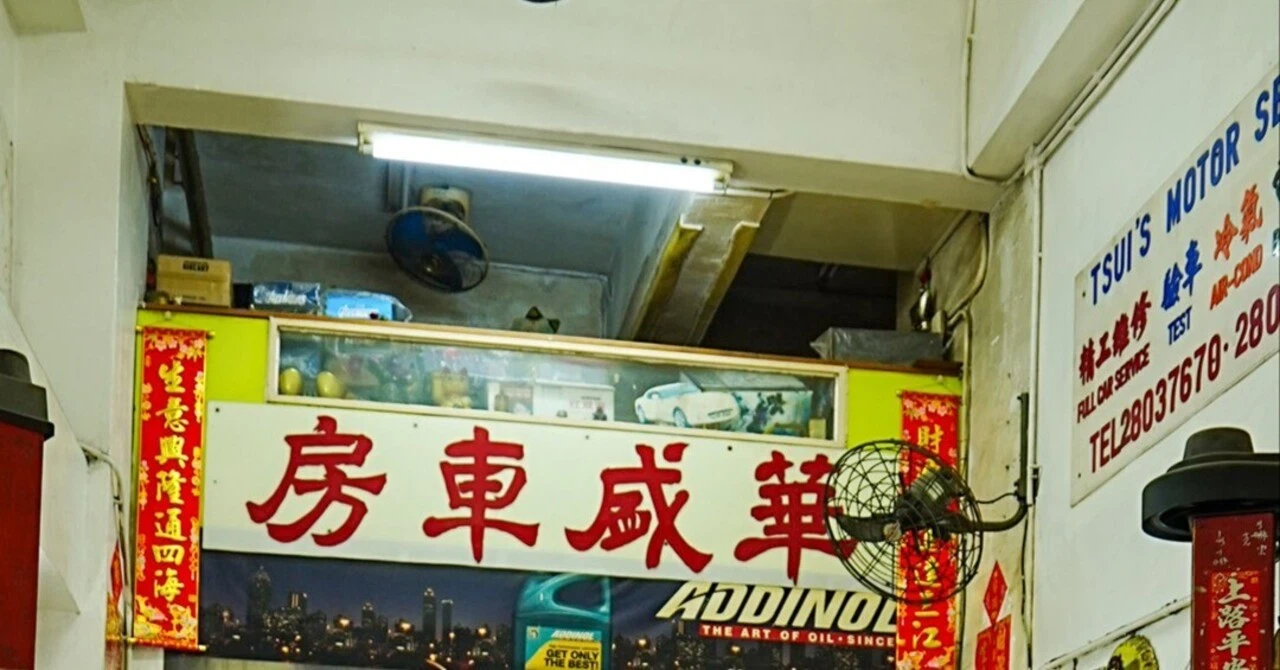
漢字の看板や古い扇風機が残る、香港の路地裏にある昔ながらの自動車整備工場

──路地裏に息づく職人文化、そして静かな転換期──

香港の自動車整備工場は、超高密度都市の独特な風景を象徴する存在です。大通りではなく、ビルの1階や細い路地裏、車1台がやっと入るようなスペースに点在し、長年の経験を積んだ職人たちがほぼ手作業でエンジンや足回りを仕上げていきます。ひしめく住宅と商店に囲まれた中で、レンチの金属音と油の匂いが漂う光景は、香港らしい生活文化そのものです😊

(more…)

【マーケの種150:インバウンドから移住者へ?②🌏】

日本のパスポートを持つ笑顔の女性と「日本移民」の文字が目立つSNS広告

🌏 「いざとなったら日本に移民する」――。


そんな言葉を、近年の香港では冗談のように、けれどどこか真剣な響きとともに耳にするようになりました。かつては観光目的、あるいはアニメやJ-POPなどカルチャー的な“憧れの場所”だった日本が、今や“現実的な選択肢”として語られる時代に。経済的背景、社会情勢、そしてライフスタイルの変化が、この潮流を静かに後押ししています。📊2023年の調査(香港貿易発展局)によると、20代〜40代の香港人の約43%が「日本での長期滞在・移住に関心あり」と回答。その数字が、単なる冗談ではないことを証明しています。

(more…)

[Marketing Seed 149: From Inbound to Relocation? 🏠 ①]

A Chinese online advertisement promoting permanent residency in Japan

From “Tourist” to “Resident”

Over the past few years, the profile of foreigners visiting Japan has been gradually shifting. Previously, the mainstream consisted of “short-term tourists” walking the streets with cameras in hand. Recently, however, there is a noticeable movement of people who want to “live long-term” or “have a base” here. The traditional inbound tourism (spending by foreign visitors for sightseeing) has run its course, and we are now entering the next stage: the expansion of “Japan as a lifestyle.” 💬

(more…)