[Marketing Seed 153: From Inbound to Relocator? ⑤]

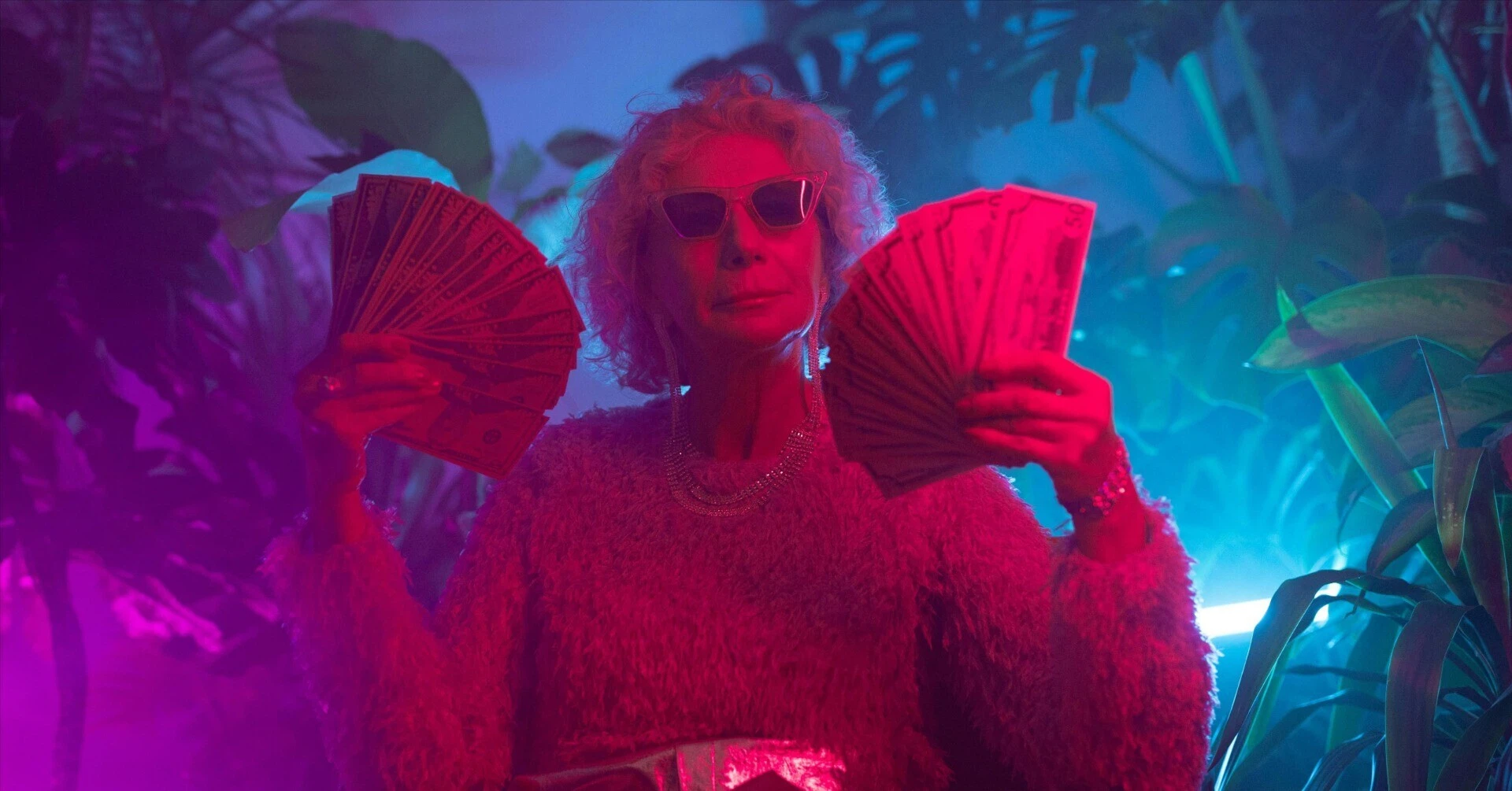
A wealthy older woman wearing sunglasses, holding fans of dollar bills in neon lighting

📜 The New Hierarchical Structure Created by an Invisible “Immigration Policy” The Japanese government explicitly states that it is “not promoting an immigration policy,” but the current visa system effectively possesses a framework that allows the “relocation of the wealthy.” For instance, Investor/Business Manager visas and Highly Skilled Professional visas allow for relatively easy long-term stays if certain asset or income criteria are met.

(more…)

[Marketing Seed 152: From Inbound to Relocator? ④]

An immigration consultant ad promoting family relocation, featuring a woman holding a Japanese passport against a cherry blossom background

✈️ “From Tourism to Settlement” ── A Shift in the Times has Become Visible. Over the past few years, against the backdrop of an explosive increase in tourists, Japan has positioned inbound tourism as the main axis of its growth strategy. In 2023, the number of foreign visitors exceeded 25 million, approaching pre-COVID levels. However, what is recently drawing attention is a new trend: not “staying,” but “relocating.” Driven by the internationalization of work styles and the spread of remote work, the number of foreigners desiring long-term stays or permanent settlement is steadily increasing. 🌍

💳 However, Immigrants Do Not Automatically Equal Economic Benefits. Unlike short-term tourism consumption, the spending of relocators is more cautious and dispersed. The reality is that while they pay for daily groceries and utility bills in Japan, many manage their living funds through overseas accounts. For instance, if the payment systems used for credit card transactions and online shopping belong to foreign companies, a portion of those profits flows out of the country. Even if they buy luxury goods, royalty fees to the brand’s headquarters are remitted overseas—such structures lurk within many transactions. As a result, there are many cases where the actual return to domestic companies is limited, despite the “flashiness of apparent consumption.”

🚨 And Another Impact: “Price Polarization.” The increase in relocators is quietly affecting the economic structure of urban areas as well. Particularly in Tokyo, Kyoto, and Fukuoka, housing demand from wealthy foreigners is rising. The average price of luxury condominiums in Tokyo has multiplied by about 1.6 over the past five years. Furthermore, “foreign-oriented pricing” is increasing in the food, service, and education sectors. As a result, a new challenge is emerging: the rising cost of living for Japanese people 😓.

📈 The Perspective Required for “Post-Inbound.” What the Japanese economy needs moving forward is to reevaluate the meaning of not just “having them visit,” but “having them live together with us.” How to welcome relocators not as “consumers,” but as “co-creators of the local community” ── that strategy will be the key determining the next phase. (To be continued)

* Reference Article: JNTO “Trends in Visitor Arrivals to Japan”
* From the Marketing Seed series. Please also read this article →Because It’s the Age of AI—Let’s Talk Human Touch (3) ~ Seeds of Marketing #60


[Marketing Seed 151: From Inbound to Relocator? ③ ]

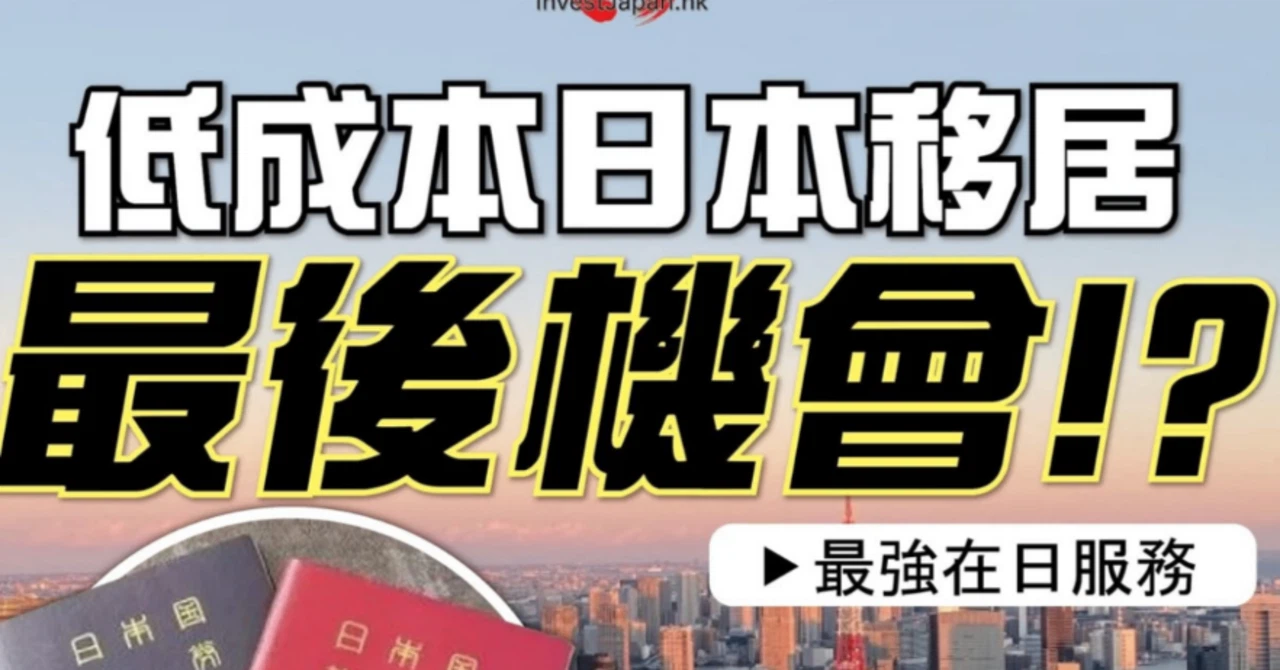
Screenshot of a Chinese online ad promoting "Low-cost Japan relocation: Last chance!?"

📊 Shifting Corporate Perspectives: From “Tourists” to “Residents”

Companies are beginning to emerge that interpret the increase in foreign residents not merely as a phenomenon, but as a sign of a new market. At financial institutions and real estate companies in urban centers like Tokyo and Osaka, a transition is underway—moving beyond traditional tourism-oriented sales to services tailored for those who “live” here.
(more…)

[Marketing Seed 149: From Inbound to Relocation? 🏠 ①]

A Chinese online advertisement promoting permanent residency in Japan

From “Tourist” to “Resident”

Over the past few years, the profile of foreigners visiting Japan has been gradually shifting. Previously, the mainstream consisted of “short-term tourists” walking the streets with cameras in hand. Recently, however, there is a noticeable movement of people who want to “live long-term” or “have a base” here. The traditional inbound tourism (spending by foreign visitors for sightseeing) has run its course, and we are now entering the next stage: the expansion of “Japan as a lifestyle.” 💬

(more…)

[Marketing Seed 148: Edgy vs. Wabi-Sabi ⑦ (Final Part)]

A black and white photo of two classically dressed women looking in different directions

🎯 “Breadth and Depth—It’s Not About Which is Superior, But ‘What You Want to Deliver'”

Over the past 6 days, we have looked at the differences in design philosophy between K-POP and J-POP. The conclusion we can draw is that there is no superiority or inferiority between the two; rather, the most important thing in marketing is to first define “what kind of experience you want to deliver.”

(more…)

[Marketing Seed 144: Edgy vs. Wabi-Sabi ③]

Colorful koi fish swimming in a quiet pond with red flowers

🎭 “Wabi-Sabi and the Beauty of ‘Ma’ (Pause/Space) are ‘Only Understood by Those Who Know'” A unique “high-context culture” breathes within Japanese music and aesthetics. Conveying without speaking, giving meaning to silence, creating a story from the margins—this is truly an “experience of reading the emotion.”

🌊 Wabi-Sabi is the “Power of Margins” For example, the tranquility of a Japanese garden or a tea room calms the human heart without grandiose staging. The structure in music is similar; the lingering resonance of emotion resides precisely in the nuances of the lyrics and the timing of the “Ma” (pauses).

🌍 Reactions from Overseas Listeners In fact, we hear voices like these from overseas fans:

  • “I feel like there’s a story here, but I don’t know what it is.”

  • “I wish I could understand the lyrics… it sounds emotional.”

They “feel something,” but cannot fully grasp the context behind it. In other words, they are sensorially attracted, but lack the key to interpret it.

🧩 “Participation in Interpretation” is the Hallmark of J-POP J-POP and Japanese aesthetics demand an “attitude to read between the lines” from the receiver.

  • Layering one’s own experiences between the lines of the lyrics

  • Supplementing emotions into an incomplete story

  • A hidden empathy that is “only understood by those who know”

This design, which is “only completed when the receiver participates,” builds a deeper relationship than a momentary stimulus.

📖 High Context as a Culture The “high-context culture” proposed by Edward T. Hall (a cultural anthropologist) refers to a society where mutual understanding is established relying on unspoken information and context. Japanese culture is the epitome of this, and J-POP is exactly an extension of it.

🕊️ A Beauty That Takes Time This is exactly why J-POP does not immediately generate flashy buzz. It requires [Time] to understand. However, because of this, it is also true that once fans soak it in, they are deeply loyal and hard to separate from. This is the Wabi-Sabi type of marketing effect: “Even if it doesn’t reach overseas audiences immediately, its intensity is exceptionally high when it finally does.” (To be continued) ■Related Article: Wikipedia “High-context and low-context cultures”Thank you for reading. Please check out the other articles in this series as well. →What Sustains Service Quality (3) – Seeds of Marketing No.52