

Where Did Suits Go? How the TPO Era Is Redefining What We Wear
💻 Has remote work erased the definition of “work clothes”?
Since 2020, our way of working has changed drastically.
With the spread of remote work, the idea that “office = suit” has begun to crumble—something many people have probably noticed.
📉 According to a 2022 study by Japan’s Ministry of Land, Infrastructure, Transport and Tourism, about 46.5% of companies in urban areas continue to maintain telework systems.As a result, many people living “no-commute” lifestyles have started choosing more comfortable and functional outfits.
👕 From “workwear” to “comfortable everyday clothes”
This shift is clearly visible in the apparel industry.
✅ Suit-focused brands shifting to “smart casual”
Major suit makers now offer collarless jackets and stretch-material setups—outfits that work both on and off duty.
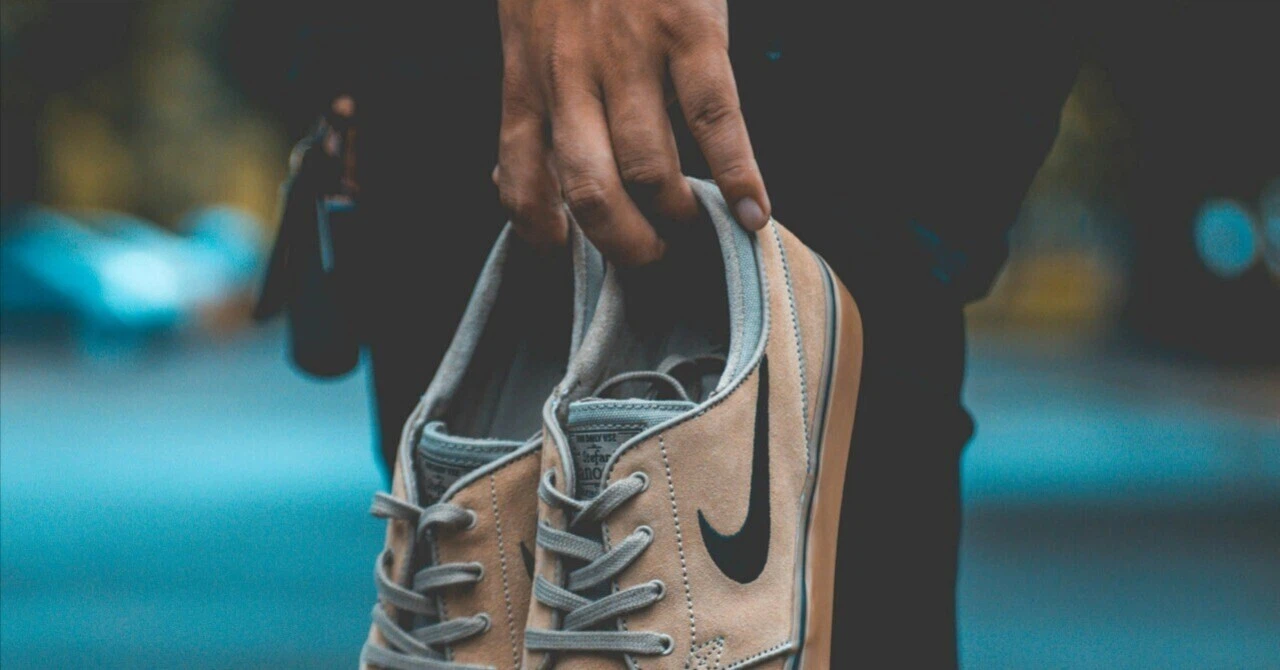
✅ Hoodies and sneakers evolving for business use
With refined fabric and silhouette design, “neat-looking casual wear” that’s acceptable even in client meetings has become popular. 👟✨
✅ “Web-meeting-focused” items selling well
Collared cut-and-sew tops, light-colored shirts, and standout earrings—designed specifically for what appears on camera—are big hits.
👀 Redefining TPO (Time, Place, Occasion)
We might say we’re now living in an era of TPO restructuring.
“No office” doesn’t mean “anything goes.”
Rather, depending on who, where, and how you meet,
the standard for “appropriate attire” is being redefined.
💬 Example guidelines:
- “T-shirt is fine for internal Zooms.”
- “Jacket + clean look for external presentations.”
- “Comfy shoes + polished style for office visits.”
We now have as many TPOs as we have life scenarios.
🛍️ Consumer behavior is changing too
Think about your own shopping habits:
- Do you prioritize comfort more than before?
- Do you wear the same shoes almost every day?
- Do you consider whether clothes look good on camera?
A domestic apparel survey found that about 62% of people in their 20s–50s said remote work changed how they choose clothes.
Among women in their 30s–40s, the majority now prefer “items usable both on and off duty.”
📣 From a marketing perspective…
What should brands and companies learn from this shift?
🔑 Key insights:
- Propose outfits that fit today’s lifestyles, not outdated TPOs
- Focus on states of being (comfortable, functional, camera-friendly) rather than purpose
- Strengthen cross-scene products (e.g., pants fit for both office and home)
As the TPO framework evolves, marketers must understand changing behavioral patterns and redesign value flexibly.
🧭 In summary: TPO isn’t fixed—it changes with the times
TPO (Time, Place, Occasion) isn’t a static rule—it evolves with work styles and lifestyles.
That’s why marketers must ask not “what should people wear?” but rather,
👉 “what kind of value can we deliver to people living this lifestyle?”
In the next article, we’ll showcase apparel brands that successfully redefined TPO through effective promotional strategies. 👔📈